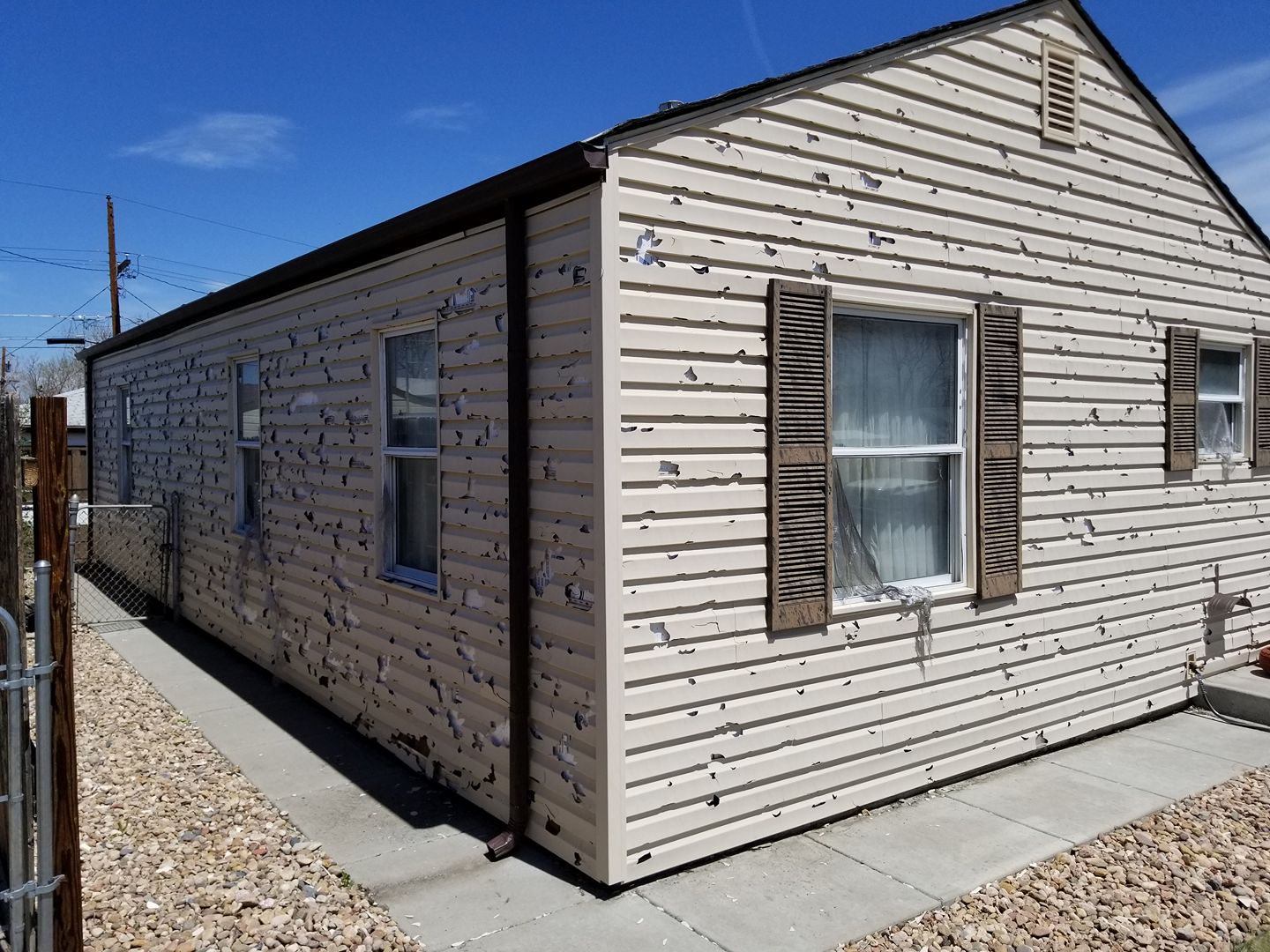
Can insurance repair a hail-damaged roof instead of replacing it?
Sometimes. But a roof repair must be evaluated based on the actual damage, material availability, repairability, matching, brittleness, and whether the proposed repair can reasonably restore the roof.
Quick Answer
Insurance may propose a spot repair, but that does not automatically mean the repair is reasonable. The proposed repair should be supported by the roof material, shingle dimensions, exposure, color, weathering, brittleness, and actual installation method.
The issue is not simply repair versus replacement
In a Colorado hail claim, the insurance company may inspect the roof and determine that only a few shingles or slopes require repair. That position should not be accepted or rejected in the abstract. The question is whether the proposed repair can actually be performed correctly and whether the finished result restores the damaged property under the policy.
A roof is a system. Shingles must align with surrounding courses, match the exposure, seal correctly, fit the roof layout, and maintain a reasonably uniform appearance. A repair that looks simple on an estimate may be impractical in the field.
Factors that determine whether roof repair is reasonable
A proper repair analysis should consider more than the number of hail hits. The repair method must account for the materials on the roof and whether those materials can be replaced without damaging surrounding shingles or creating an obvious mismatch.
The carrier should be able to explain how the proposed repair will be performed, what replacement material will be used, and why that material is compatible with the existing roof.
Repairability Factors
- Shingle size and tab spacing
- Exposure and course alignment
- Color, profile, texture, and weathering
- Discontinued or unavailable shingles
- Brittle surrounding materials
- Seal strip and fastening location
- Damage location and slope access
- Local code and manufacturer requirements
Why 36-inch and 39-inch three-tab shingles may not be interchangeable
One common roof dispute involves older three-tab shingles that are approximately 36 inches wide, with each tab approximately 12 inches. Many newer three-tab shingles are wider, often approximately 39 inches, with wider tab spacing and different exposure characteristics.
An insurance adjuster may say the replacement shingle can simply be trimmed. That explanation oversimplifies the issue. A three-tab shingle is not normally repaired by replacing one individual tab. The shingle must align with the surrounding courses, tabs, exposure, seal strip, and pattern of the existing roof.
Trimming a wider shingle does not automatically make it compatible. It may alter the tab layout, create inconsistent spacing, affect the finished appearance, and fail to match the surrounding roof system. If the existing shingle size, exposure, and tab layout are no longer available, the repair may create a material and matching dispute.
Matching is more than color
Matching is not limited to whether a new shingle is roughly the same color. Roof matching can involve size, profile, tab layout, exposure, thickness, texture, weathering, and the visual appearance of the completed repair.
A roof repair that leaves a visible patchwork result may not resolve the loss. The proposed repair should be evaluated against the actual appearance and function of the roof.
Brittle shingles can change the repair analysis
Even when a matching shingle exists, surrounding shingles may be too brittle to lift, detach, reset, or manipulate without causing additional damage. Brittle shingles can make spot repair impractical.
A brittle test or repairability evaluation may be necessary when the carrier proposes replacing isolated shingles on an older roof.
Common insurance company roof repair positions
“Only a few shingles are damaged.”
The number of damaged shingles matters, but so does whether those shingles can be replaced with compatible materials without damaging surrounding shingles.
“The replacement shingle is close enough.”
Close is not always compatible. The claim should evaluate size, exposure, tab layout, color, profile, and weathered appearance.
“The shingle can be trimmed.”
Trimming may not solve tab spacing, exposure, seal strip, course alignment, or uniform appearance problems.
“The damage is cosmetic.”
Cosmetic arguments should be tied to the policy language and actual damage. Functional impact, material integrity, and repair needs should still be reviewed.
“The roof is too old.”
Age alone does not answer whether covered hail damage exists or whether the proposed repair is reasonable.
“Only one slope needs work.”
Slope-only repairs may create matching, repairability, and transition issues depending on the roof layout and material availability.
What documentation helps challenge an improper roof repair scope?
A roof repair dispute should be documented with facts, not opinion alone. Useful evidence may include photographs, shingle measurements, product identification, material availability research, brittle testing, contractor repairability input, slope analysis, and photographs of collateral hail damage.
Prime Public Adjusting reviews the estimate, roof report, photographs, shingle characteristics, and repair method to determine whether the carrier’s scope appears complete and reasonable.
Helpful Documentation
- Carrier estimate and roof report
- Photographs of damaged shingles
- Shingle size and exposure measurements
- Product identification or ITEL-style reports
- Material availability documentation
- Brittle test or repairability notes
- Collateral damage photos
- Contractor repair methodology
Related claim resources
Colorado Hail Damage Claims
Review our main hail damage claim page for roof, gutter, siding, window, and exterior hail claim disputes.
Hail damage claim help →Insurance Appraisal
When the amount of loss is disputed, appraisal may be an option depending on the policy and claim status.
Insurance appraisal help →Free Claim Review
Send us the estimate, photos, denial letter, or repair scope for review.
Request a free review →Roof Repair vs Replacement FAQs
- Can insurance repair only part of my roof?
- Sometimes, but the proposed repair must be reasonable based on the actual material, roof condition, repairability, matching, and whether the finished repair restores the property.
- Can a wider three-tab shingle be trimmed to replace an older shingle?
- Not automatically. Trimming a wider shingle may not address tab spacing, exposure, course alignment, seal strip location, or the uniform appearance of the roof.
- What if my shingles are discontinued?
- Discontinued shingles can create a material availability and matching issue. The claim should evaluate whether a reasonably uniform repair can be completed.
- Does hail damage always require roof replacement?
- No. Some roofs can be repaired. Others cannot be properly repaired because of material availability, brittleness, matching, extent of damage, or repair methodology.
- Can Prime Public Adjusting review my roof claim?
- Yes. Send the estimate, photos, roof report, payment summary, and any carrier explanation for review.
Get a Free Roof Claim Review
If your insurance company says your hail-damaged roof can be repaired, Prime Public Adjusting can review the estimate, photographs, material issues, and repair scope.